
Rematter
Articles
How to Patch Torn Denim Jeans Using Sashiko Stitches
Featured

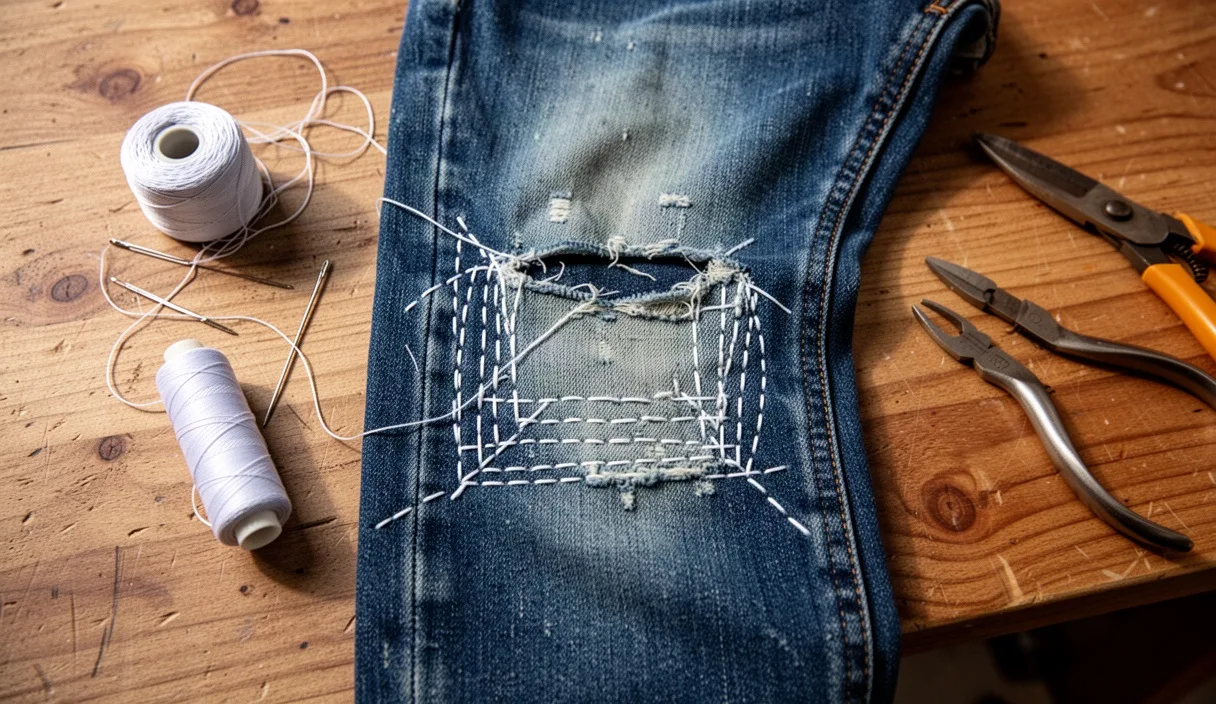
How to Patch Torn Denim Jeans Using Sashiko Stitches

Learn how to reinforce torn pocket edges and thigh blowouts using Japanese running stitches. We explain backing fabric choices and how to keep the repair flexible.

Read article
Browse by materialTextile Mending and ReworkKitchen and Food ScrapsHome Hardware and SalvagePaper, Glass, and Packaging

Start here

Fresh guides from the bench

All articles
Turning Citrus Peels and Herb Stems into Cleaners
Kitchen and Food Scraps10 min read

Turning Citrus Peels and Herb Stems into Cleaners

Discover how to infuse distilled white vinegar with kitchen peelings to cut grease effectively. We walk through infusion timelines and surfaces where vinegar should be avoided.
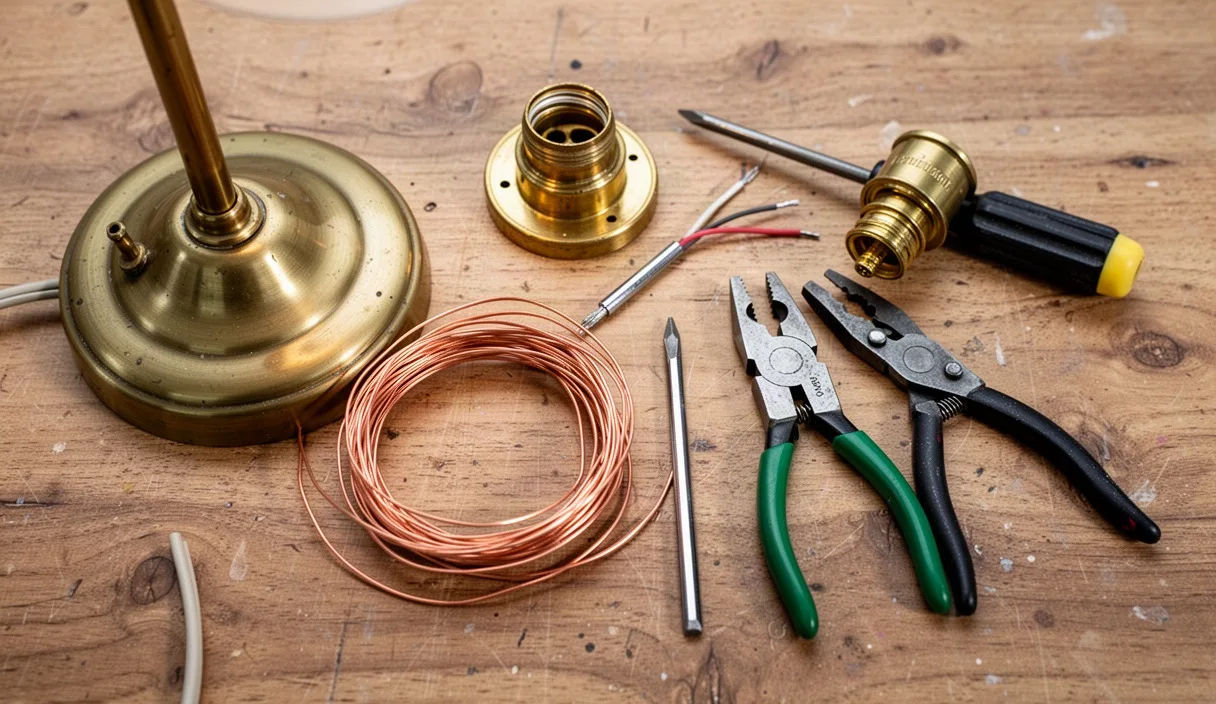

How to Rewire a Secondhand Table Lamp Safely
Home Hardware and Salvage13 min read

How to Rewire a Secondhand Table Lamp Safely

Learn how to replace brittle cords, check sockets, and thread new wire through thrifted lamps. This guide covers basic electrical safety and common vintage threading issues.

Newspaper Seed Pots vs Egg Cartons: An Honest Test
Paper, Glass, and Packaging9 min read

Newspaper Seed Pots vs Egg Cartons: An Honest Test

See how seedlings develop in rolled newsprint cylinders compared to pressed cardboard egg cartons. We measure root depth, moisture retention, and transplant ease over four weeks.

Making Felted Mittens from Shrunk Wool Sweaters
Textile Mending and Rework10 min read

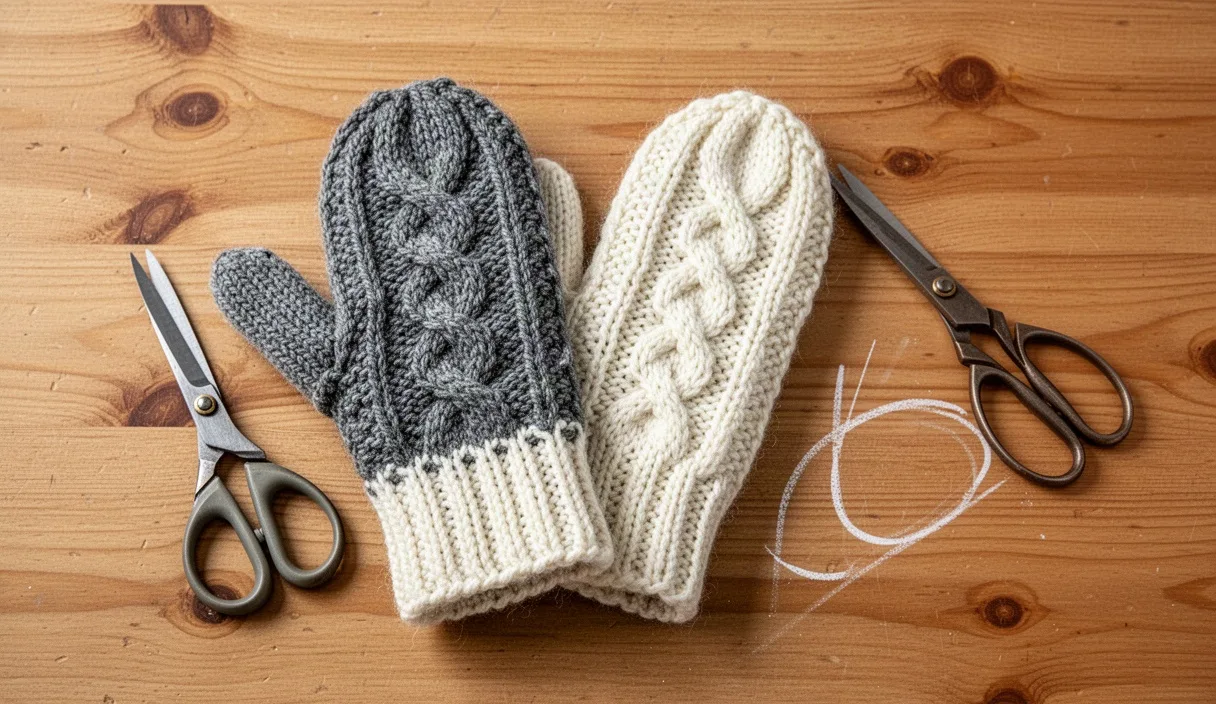
Making Felted Mittens from Shrunk Wool Sweaters

Transform accidental laundry mishaps into dense, wind-resistant winter mittens. We show you how to cut around cuffs and stitch seams that will not fray.

More on Paper, Glass, and Packaging

Functional transformation of bottles, cardboard boxes, and print waste into daily items.

Read all posts in this category

Browse by topic

More on Kitchen and Food Scraps

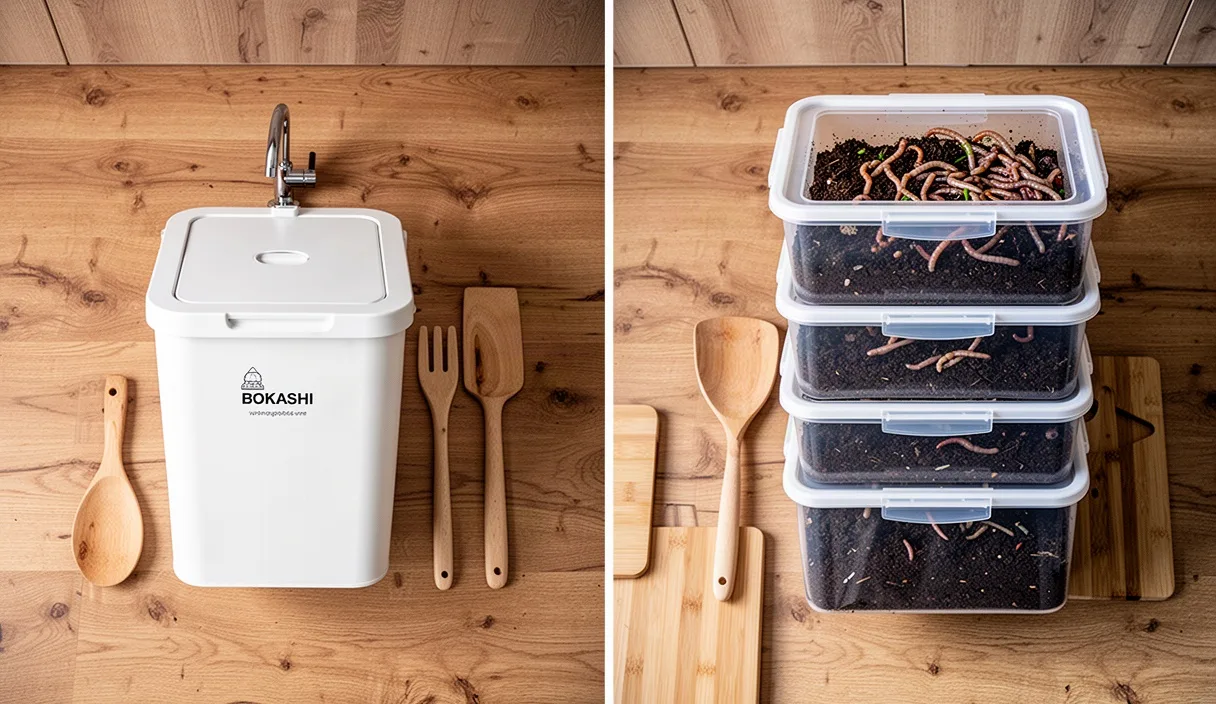
Ways to process trimmings, peelings, and pantry leftovers into household goods.

Read all posts in this category

About Rematter

We are a collective of tinkerers, sewists, and home cooks sharing honest tutorials for people who want less clutter in landfills. Every project is made and tested at our kitchen tables or modest garage benches using tools most people already own. We measure material waste and verify each technique before writing down a single word.

About us

Questions readers ask

Who writes and tests the upcycling guides in the journal?

Our team consists of seasoned woodworkers, textile menders, and material researchers. Every article is written by someone who physically works with reclaimed materials, never by automated text generators.

How is this publication funded if you do not run display ads?

We are supported through direct reader contributions and independent quarterly print folios. We accept no paid promotional deals, affiliate kickbacks, or commercial brand sponsorships.

How can readers suggest a repair topic or material to investigate?

You can send project ideas, local salvage discoveries, or mending questions directly through our editorial contact form. Our editors review reader submissions every Monday.

What is your policy on updating published articles?

When a reader identifies an improvement or when safer craft techniques emerge, our editors verify the revision and publish an updated version with an explicit timestamp.

Who writes here

We only publish repair guides that work with standard hand tools, testing every technique on reclaimed timber and textile remnants first.
Elena Rostova Elena RostovaSenior Materials Editor

Send a note to the workshop

Tell us what you are trying to mend or repurpose this week. We welcome suggestions, technical corrections, and honest feedback.

Working hours

Mon-Fri 08:15-16:30, Sat 10:15-16:00

Expected response time

Answer within one working day

Send us a message